The current fashion is no longer just a parade of seasonal silhouettes. Choices of materials, production circuits, and decisions between new and second-hand weigh as heavily as the cut of trousers or the color palette of a collection. We are witnessing a profound restructuring of fashion trends, where local sustainability and circularity redefine the key pieces of the wardrobe.
Fabrics and materials: what is really changing in current collections
The choice of materials is the first technical filter for evaluating a trend. Recent spring-summer and autumn-winter collections show an increasing reliance on fibers with documented traceability. European linen, certified wools, and organic cottons are gaining ground in mid-range offerings, not just in the premium segment.
This shift is not cosmetic. The report Taking Stock 2026 published by Apparel Impact revealed that the climate emissions of the fashion sector continue to rise. This dynamic is pushing brands to rethink their sourcing, and consumers to scrutinize labels.
We recommend prioritizing pieces whose composition is explicitly detailed, including for basics like jeans or chinos. A raw denim made from organic cotton woven in Europe offers superior durability compared to a chemically washed synthetic model, and current trends make it a choice of style as well as conviction. Several analyses available on the fashion section of Dekortikon allow for a deeper understanding of these textile selection criteria applied to seasonal looks.
Local sustainable fashion: a structuring trend, not a marketing argument
Local sustainable fashion has moved from discourse to measurement. According to the Australasian Sustainable Retail Index of 2026, 71% of consumers rank environmental sustainability as the main criterion in their clothing purchases, up 24 points from three years earlier.
Even more revealing: nearly two-thirds of respondents are willing to pay a premium of up to 30% for pieces designed and made locally. This figure rises to more than four out of five buyers among Millennials and Generation Z.
In practice, this translates into a concrete trade-off at the time of purchase. Rather than accumulating low-priced pieces, the reflex is to invest in a few high-value seasonal garments:
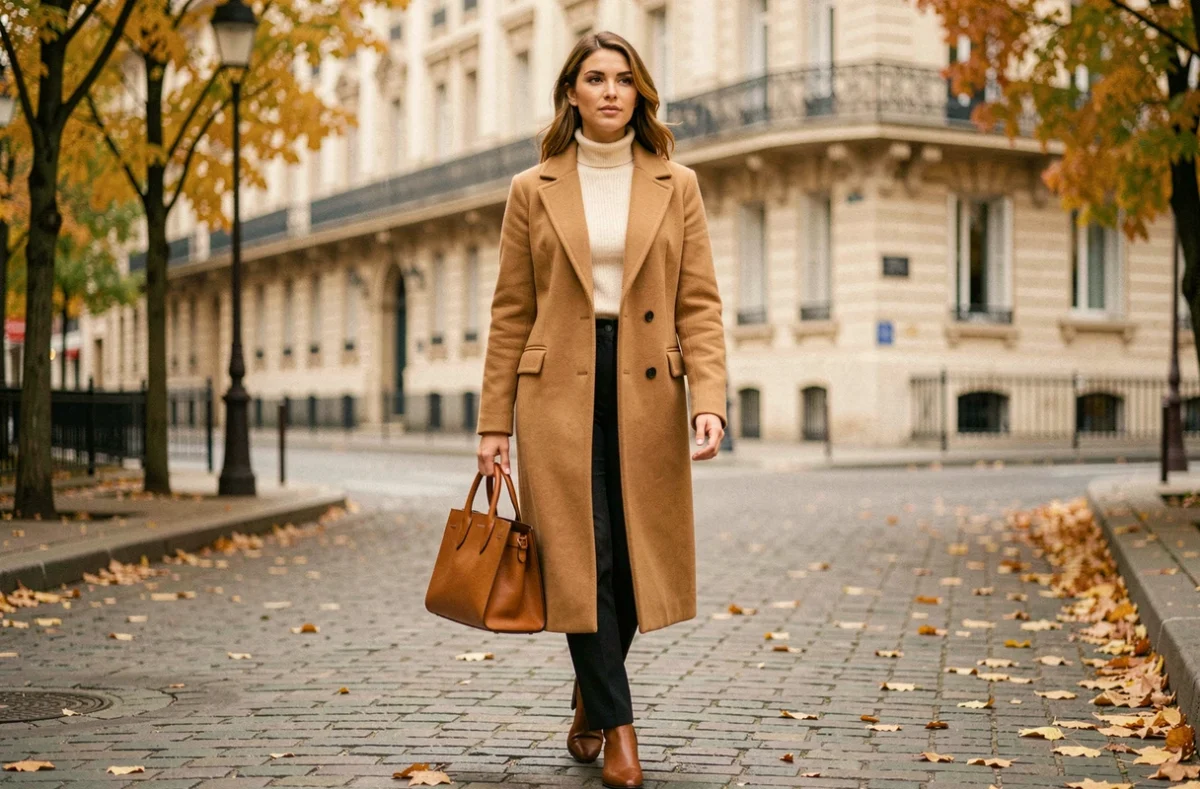
- A local wool coat for autumn-winter, cut from a dense and pill-resistant material, rather than a synthetic blend model renewed each year
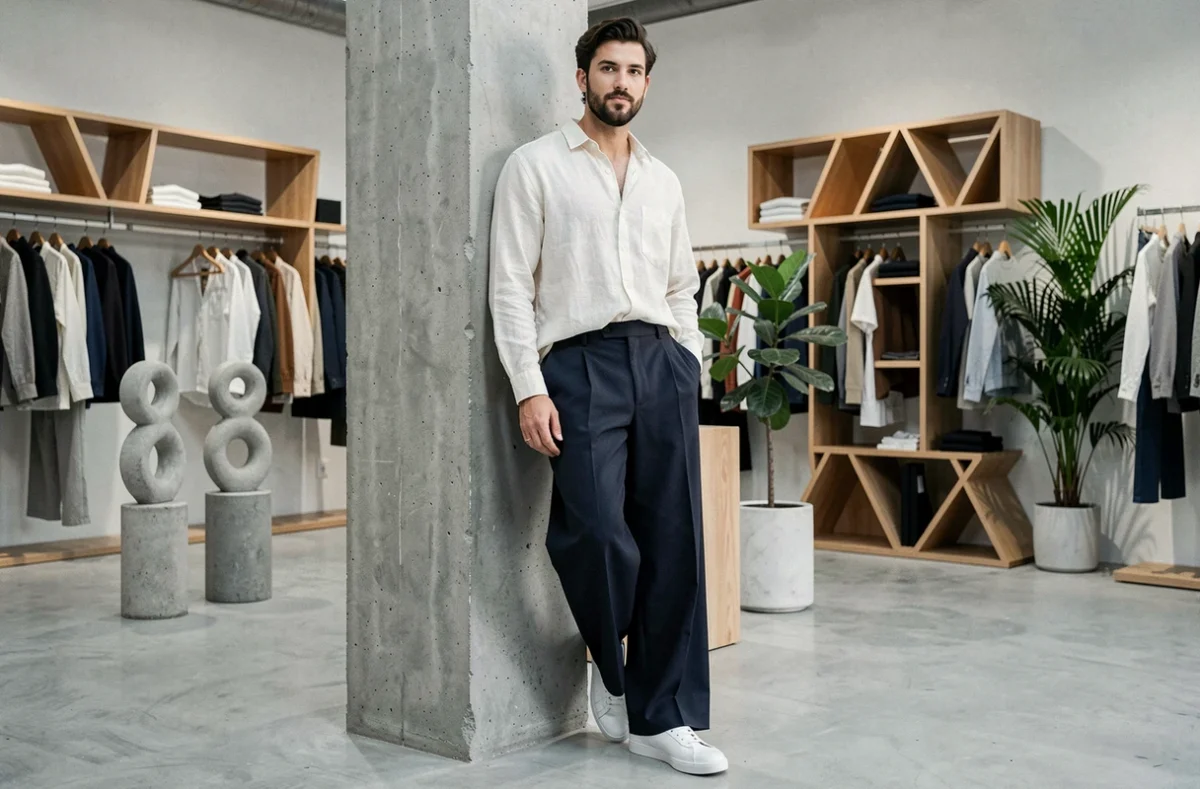
- A raw jean made in a short circuit, whose fabric ages beautifully over time and adapts to the body shape
- Knitwear pieces (sweaters, cardigans) knitted from traced yarns, which last through several seasons without losing their shape
This approach changes the relationship to trends. One no longer follows a complete renewal cycle every spring or autumn. The wardrobe is built through targeted additions, season after season.
Second-hand and circularity: style codes change circuit
Second-hand is now a pillar of fashion in Europe. The phenomenon goes far beyond budget considerations. Among Gen Z and Millennials, second-hand purchase rates are even higher in middle and high-income households than in modest ones.
Second-hand is no longer associated with low income, but with a deliberate style approach. Finding a vintage blazer in good condition or a discounted designer pant is an integral part of building a personal look.
The European Union is accelerating this movement. The ban on the destruction of unsold textiles, in effect since July 2026, is pushing brands to structure their resale channels. Integrated recommerce platforms on brand websites are multiplying, with systems for condition certification and guarantees.
Criteria for selecting second-hand
Buying second-hand does not exempt one from being demanding. We recommend systematically checking the fabric composition, the condition of seams, and the strength of closures. A garment made from natural fibers (cotton, linen, wool) ages better than a blend with a high proportion of polyester, whose microfibers degrade during washing.
The key colors of the season, from deep burgundy to earthy autumn tones, can easily be found in second-hand circuits with a few seasons’ delay. This slight temporal lag does not affect stylistic relevance: color palettes evolve in long cycles, not through abrupt breaks.
Seasonal colors and silhouettes: reading trends differently
Color and cut trends are better understood when linked to production constraints. The marked return of leather (or its plant-based alternatives) in spring-summer and autumn-winter collections responds to a demand for longevity. A well-maintained leather jacket lasts a decade. It is a style investment, not an impulsive purchase.
In terms of silhouettes, the season confirms several orientations:
- Loose cuts at the bottom (wide trousers, barrel jeans) balanced by a fitted top, creating a visual equilibrium that works on all body types
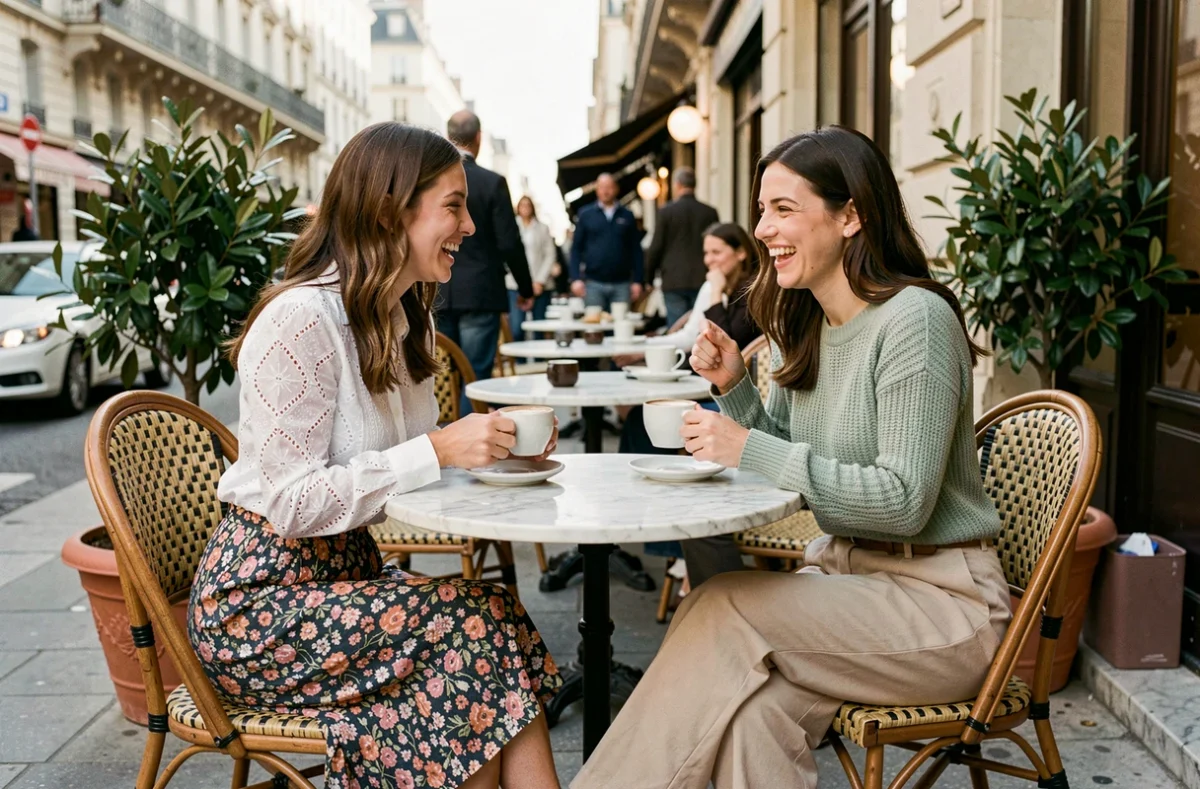
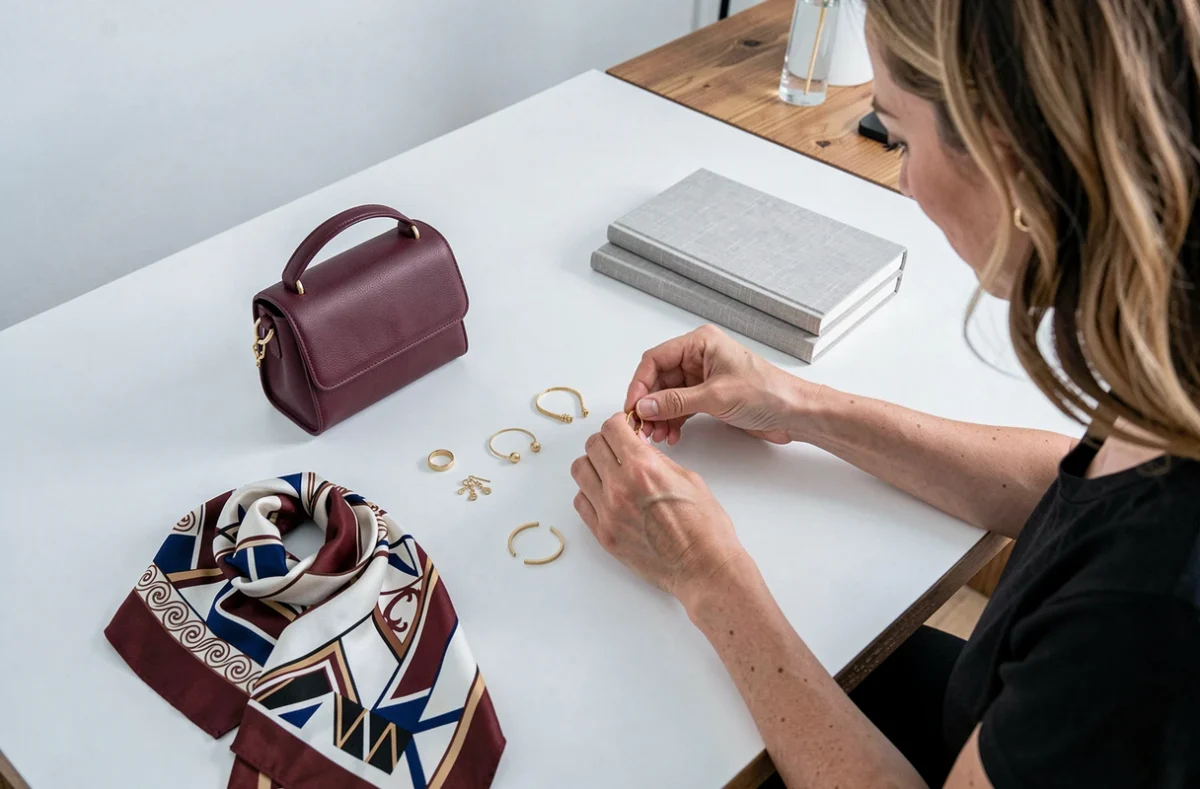
- The return of midi skirts and flowing dresses in natural fabrics, worn with structured accessories (wide belts, rigid bags)
- Textured layering, knit over shirt, light jacket over dress, allowing for modulation of a look between mid-seasons without multiplying purchases
Adopting a silhouette trend each season is enough to refresh a wardrobe. Changing three strategic pieces has more impact than a complete renewal.
The French fashion market remains one of the most dynamic in Europe, with average prices among the highest on the continent. This pricing position further justifies a demanding buying guide: each piece must serve multiple seasons, multiple looks, and multiple contexts. Current fashion trends precisely reward this approach, one of a style built methodically rather than accumulated by reflex.