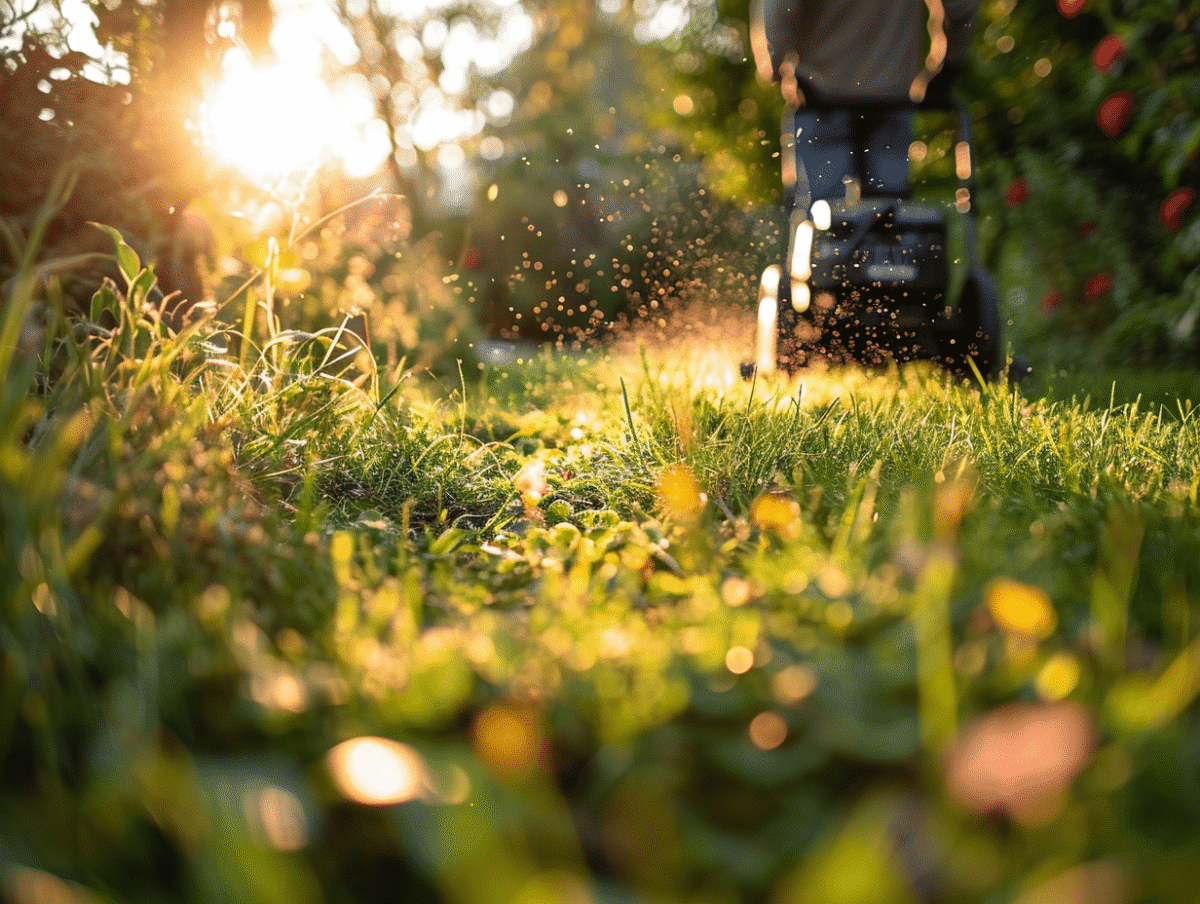
Scarification is an essential horticultural technique for maintaining the health and aesthetics of a lawn. This process involves making shallow incisions in the grass, which promotes soil aeration, stimulates growth, and allows for better absorption of water and nutrients. By removing the layer of thatch that accumulates on the surface, scarification also prevents diseases and the proliferation of weeds. For gardeners eager to provide optimal care for their lawns, mastering the different scarification techniques is therefore essential.
The Benefits of Scarification for a Healthy Lawn
Scarification, a lawn maintenance technique for aerating and removing plant debris, proves crucial for the health of the lawn. It is necessary to loosen the soil, allowing air and water to penetrate more easily to the roots of the grass. The removal of thatch and moss helps prevent the lawn from suffocating, promoting deeper rooting and thus a more resilient lawn.
The relationship between scarification and lawn maintenance is also reflected in an increase in the lawn’s resistance to climatic variations and repeated foot traffic. An aerated lawn free of thatch is more vigorous, retains moisture better, and displays a more uniform and attractive color. This makes the lawn more pleasant both to the eye and to the touch.
To achieve such results, scarification should be performed twice a year, preferably after frosts and before the first mowings in spring, as well as before the end-of-year frosts in autumn. These key periods allow the lawn to regenerate effectively and be ready to face extreme weather conditions.
Mastering the techniques for handling a thermal mower is also essential for preparing the lawn before scarification. Proper mowing helps remove excess grass height and facilitates the passage of the scarifier. After scarification, collecting the debris is essential to prevent any risk of suffocating the lawn, followed by the application of fertilizer to nourish the soil and, if necessary, overseeding to fill in bare areas.

Practical Guide: Techniques and Tools for Effectively Scarifying Your Lawn
Preparation Before Scarification: Find an appropriate mower to shorten the grass before starting the scarification process. This preliminary step facilitates the scarifier’s work by clearing the surface and allowing better access to the plant thatch. The mowing should leave the lawn at a height that avoids scalping the soil while allowing effective intervention from the blades or tines of the scarifier.
Choosing the Scarification Tool: Depending on the size of the area to be treated, opt for an electric scarifier for small lawns or a thermal scarifier for larger areas. The effectiveness of scarification depends on the performance of the tool used; suitable equipment ensures better results and preserves the health of your lawn.
Removing Debris: After using the scarifier, collect the accumulated plant debris on the lawn. These residues, if left in place, can hinder grass growth by forming a barrier to air and water. A rake or leaf blower can be useful for this task, ensuring that the lawn can breathe and receive the necessary nutrients.
Post-Scarification Maintenance: Once the lawn is scarified and cleaned, fertilize the soil to promote recovery and development of the lawn. A good supply of fertilizer will enrich the soil with essential nutrients. In case of bare areas appearing, proceed with overseeding for a uniform grass density. Landscape gardeners can offer their expertise for these steps, and some home services related to gardening maintenance may even benefit from a tax credit.