Organizing travel between two stages of a trip takes up a significant portion of the budget and preparation time. Options have multiplied in recent years (train, carpooling, short-term rentals, long-distance buses), but this diversity complicates comparison and booking, especially when multiple modes of transport are used in the same journey.
Check each connection before booking a multimodal trip
Most travel guides recommend comparing prices between train, bus, and plane. This approach overlooks a more crucial point: the reliability of connections between two different modes of transport.
The European proposal COM(2023) 752 distinguishes integrated multimodal tickets from separate bookings. In practice, a traveler who buys a train ticket and then a bus ticket through two different platforms has no protection in case of a delay on the first leg. Checking the connection margins and refund conditions of each operator helps avoid unpleasant surprises.
The growing interest in multimodal booking is prompting authorities to enhance real-time information. An itinerary prepared several weeks in advance may no longer be valid on the day of departure: modified schedules, canceled services, construction on a line.
Consulting updated information the day before and the morning of the trip remains the most effective precaution. It is also an opportunity to learn about transport via Voyager en Découverte to identify suitable combinations for one’s journey.
Transport accessibility: a persistent gap between new and old networks

Recent bus and tram networks are generally more accessible to people with reduced mobility. In contrast, older subways, historic cobbled centers, and certain natural sites remain difficult to navigate. According to the Gueule d’Hexagone website (updated on October 8, 2026), checking each connection and each station individually remains the only reliable method.
Since January 10, 2024, the Assist’enGare service centralizes requests for rail assistance for TER, Intercités, TGV INOUI, and Transilien. Reservations can be made between 90 days and 24 hours before departure, and assistance is free. It covers accompaniment to the train, connections, and exiting the station.
This service does not solve everything. The accessibility of a station does not guarantee that of the vehicle or the final destination. A traveler in a wheelchair planning a bus trip must check if the vehicle has an appropriate space, which varies by company and route.
Transport budget while traveling: items that comparison tools do not show
Comparing the displayed price of a train ticket with that of a carpooling trip gives a partial view of the actual cost. Several invisible items alter the equation.
- The trip to the station or departure point: parking, taxi, urban transport. On some routes, this “last mile” represents a significant portion of the total budget.
- Modification or cancellation fees: a low-cost bus ticket at an attractive price becomes expensive if the trip changes date. Conditions vary greatly from one operator to another.
- Car rental with return in another city: the one-way surcharge can double the daily rate displayed on the comparison tool.
- Travel insurance covering transport: some bank cards include coverage for tickets paid with the card, others do not. Checking the limits and exclusions before purchasing additional insurance helps avoid paying twice.
The actual cost of a trip almost always exceeds the displayed ticket price. Adding these items before choosing a mode of transport sometimes changes the ranking of options.

Car rental while traveling: checks that prevent disputes
Car rental remains the mode of transport most prone to disputes between travelers and rental companies. Field reports vary on this point: some travelers never encounter problems, while others are charged for damages they contest.
Three checks significantly reduce risks:
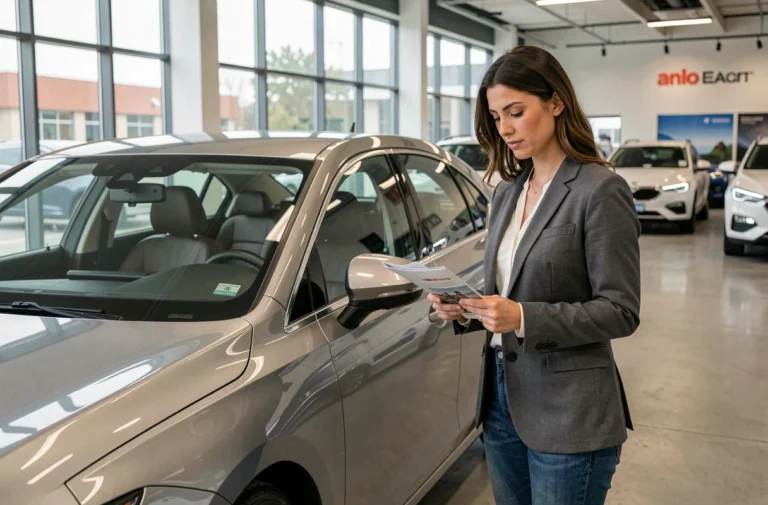
- Photograph the vehicle from all angles at the time of pickup, including the roof, wheels, and under the bumpers. Timestamp the photos.
- Read the insurance conditions before signing. The displayed “zero” deductible sometimes includes exclusions (tires, windows, undercarriage) that are not visible on the booking page.
- Check if the insurance of your bank card covers the rental company’s deductible and under what conditions (maximum rental duration, covered countries, type of vehicle).
These precautions take a few minutes at the counter. They can save several hundred euros in disputed fees after return.
Carpooling and long-distance buses: what the rise in fuel prices has changed
The rise in fuel prices observed in recent years has accelerated the shift towards public transport and carpooling. Available data does not allow for precise quantification of this transfer on a national scale, but carpooling platforms have recorded a notable increase in demand during price spikes at the pump.
Long-distance buses offer some of the lowest market rates for advance bookings. The trade-off is on travel duration and flexibility: departures are less frequent than trains, and delays can propagate without immediate fallback solutions.
Carpooling has a distinct advantage on routes poorly served by rail. For a trip between two medium-sized cities without a direct train connection, it sometimes becomes the only alternative to individual cars, with costs shared between driver and passengers.
Each mode of transport responds to a different constraint: budget, duration, flexibility, accessibility. The most relevant choice rarely depends solely on price. Checking connections, reading insurance conditions, and anticipating additional costs provides a more reliable preparation foundation than the simple price comparison displayed by search engines.