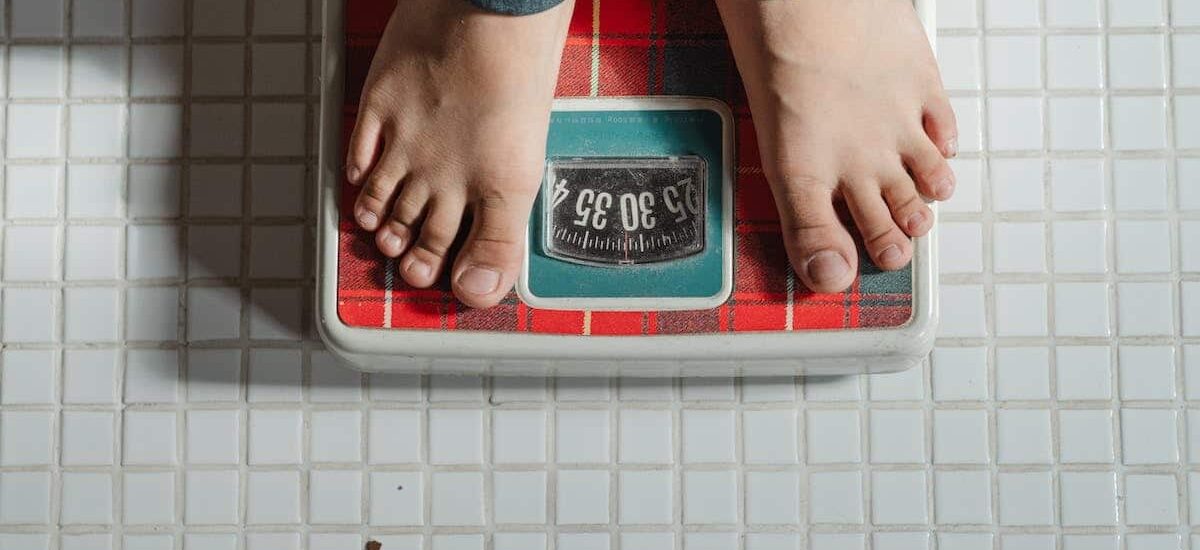
The journey towards significant weight loss, specifically a loss of 20 kilos, is often daunting. With proper planning, unwavering determination, and a healthy approach, this journey can transform into a rewarding adventure towards well-being. This path requires a holistic approach, including dietary changes, regular physical activity, sufficient sleep, and effective stress management. It is imperative to adopt these changes as a new lifestyle rather than a temporary diet. The goal is to achieve sustainable weight loss, not a quick and fleeting solution.
Healthy weight: a key to a balanced life
When it comes to ‘how to lose 20 kilos’, it is essential to understand that this will not happen overnight. The process requires patience, determination, and above all, a realistic approach.
Our bodies need time to adapt to dietary changes and the new exercise routine. You must have realistic goals to avoid any frustration or discouragement.
To start, ask yourself why you want to lose this weight? Is it simply an aesthetic factor, or do you have health concerns that require this loss? Having a concrete reason will help maintain your motivation throughout the process.
Once the goal is set, developing an appropriate plan in collaboration with health professionals such as a nutritionist or personal trainer can be extremely beneficial. They can help you create a personalized program that meets your specific nutritional and physical needs, making the journey towards ‘how to lose 20 kilos’ safer and more effective.
You will need to review your diet. Opt for nutrient-rich foods rather than calorie-dense ones • fresh fruits, leafy green vegetables, and lean proteins are all excellent choices. Don’t hesitate to experiment with different recipes to keep things interesting!
Alongside these dietary changes, integrate exercise into your daily routine. Start slowly if you are not used to exercising much, then gradually increase the intensity • brisk walking, yoga, swimming, or dancing, choose what you enjoy!
You must pay attention not only to your physical health but also to your mental well-being when considering ‘how to lose 20 kilos’. Regularly practicing meditation or other relaxing techniques can significantly help manage the stress associated with major changes in your life.
Remember that there is no miracle cure or shortcut when it comes to how to lose 20 kilos. Always think in the long term: sustainable habits are those that ensure lasting success.

Realistic goals: the secret to a successful transformation
When embarking on a weight loss journey, it is crucial to adopt a balanced and varied diet. This does not mean following a restrictive diet or depriving yourself of certain foods, but rather finding a balance among the different nutritional groups.
You should consume enough fresh fruits and vegetables. They are rich in vitamins, minerals, and fibers that contribute to the overall health of the body. Choose seasonal products to maximize the nutritional benefits they offer.
Proteins also play a crucial role in a balanced diet when it comes to losing weight. Opt for lean sources such as skinless chicken, omega-3 rich fish, or legumes like lentils or kidney beans.
Carbohydrates should be consumed in moderation, favoring those with a low glycemic index such as whole grains, quinoa, or oats. Avoid processed foods containing added sugars as much as possible, as well as sugary drinks.
Regarding fats, they are important for our body, but not all are beneficial to our health. Therefore, prioritize those from foods such as avocado, extra virgin olive oil, or nuts rather than those found in processed meats or certain fast foods.
Don’t forget to stay hydrated throughout the day. Water is essential for the proper functioning of our body and can help control appetite. Also, prefer unsweetened beverages like green tea or herbal infusions.
A balanced and varied diet is the key to healthy and sustainable weight loss. It should not be viewed as a strict diet, but rather as a lifestyle that promotes overall health and well-being. Always consult a health professional before making significant changes to your diet to receive personalized advice tailored to your specific needs.
Eating healthy: the guide to a balanced diet
Engaging in regular physical activity is an essential element in the quest for a healthy and sustainable weight loss. Indeed, physical exercise not only helps burn calories but also improves cardiovascular health, strengthens muscles, and promotes overall well-being.
To optimize your exercise program, it may be wise to include both cardio training and muscle strengthening. Cardio training will boost your metabolism and promote fat burning, while muscle strengthening will sculpt your figure by toning your muscles.
When starting a regular exercise program, it is important to begin gradually to avoid injuries and allow your body to adapt little by little. Don’t hesitate to consult a professional such as a personal trainer or physiotherapist for personalized advice tailored to your physical condition.
Alongside regular physical activity, also make sure to move more in your daily life. Choose stairs over elevators, walk when possible instead of taking the car or public transport… Every little action counts!
It is important to emphasize that consistency is the key to success. Engaging in physical activity only sporadically will not yield the desired results. Set realistic goals, create an exercise schedule, and follow it diligently.
Don’t forget the importance of warming up before each session and stretching afterward. This will help prevent muscle injuries and also promote your recovery.
Incorporating regular physical activity into your daily routine is essential for achieving your healthy and sustainable weight loss goals. Find the type of exercise that suits you, respect your body by starting gradually, and don’t hesitate to seek advice from professionals in the field.
Moving to stay fit: the benefits of physical activity
When embarking on a weight loss process, it is essential to consider not only the physical aspect but also mental well-being. Indeed, stress and emotions can play a decisive role in our relationship with food and impact our eating habits.
To manage stress, various techniques can be implemented. Meditation, for example, helps calm the mind and improve concentration. Studies have shown that regular meditation sessions significantly reduce cortisol levels, a hormone associated with stress.
Yoga, on the other hand, combines fluid physical movements with breathing techniques to calm the mind and relax the body. This practice also promotes muscle flexibility and enhances coordination.
It is important to pay attention to our emotions. Many of us tend to use food as a means to escape or compensate for negative emotions such as boredom, anxiety, or sadness. We must learn to recognize these behavioral patterns in order to address them.
An effective strategy is to keep an emotional journal where you note your feelings before each meal or snack. This will help you identify the moments when you are more likely to give in to impulsive cravings related to your emotions.
Learn healthy techniques to manage these emotions, such as engaging in an activity you enjoy or talking to a trusted friend. Find positive alternatives to cope with emotions instead of turning to food.
It may be beneficial to start therapy or consult a professional specialized in eating disorders. They can support you in your journey and help you develop strategies to manage your emotions.
Managing stress and emotions is therefore essential when aiming for healthy and sustainable weight loss. By adopting techniques such as meditation, yoga, and identifying emotional patterns, we can gradually change our relationship with food and promote overall well-being.
Stress and emotions: how to manage them for better health
Once you have reached your weight loss goal, you must continue to monitor your diet and adopt a balanced approach. Eating a variety of nutritious foods such as fruits, vegetables, lean proteins, and whole grains will help you stay full and nourished without compromising your weight.
It may be helpful to plan your meals in advance. By having a clear idea of the foods you will consume each day, you can avoid impulsive choices or poor decisions when hunger strikes.
Speaking of hunger, also learn to listen to your body. The feeling of satiety should guide your food decisions. Don’t eat simply because there is still something on your plate or because it is the usual meal time. Take the time to assess whether you really need to eat more or not.
In addition to this, don’t forget the importance of regular physical activity in maintaining a healthy weight. Find a form of exercise that you enjoy and incorporate it into your daily routine. Whether it’s brisk walking, cycling, or a group class at the gym, find an activity that motivates you and gets your body moving.
Do not neglect the quality of your sleep. Studies show that lack of sleep can disrupt hunger hormones, increasing food cravings and promoting fat storage. Therefore, ensure you get enough sleep each night to support your weight loss and maintenance efforts.
Surround yourself with a positive social network. Finding friends or loved ones who share the same goals as you can be extremely motivating and encouraging. Share your successes, challenge each other, and provide support during tough times.
Maintaining a healthy lifestyle in the long term requires discipline and commitment, but it is truly worth it. By following these key strategies such as monitoring your diet, planning your meals in advance, listening to your body, exercising regularly, getting enough sleep, and surrounding yourself with a positive community, you are on the right path to successfully maintain your weight loss over time.
Sustainable habits: the keys to a long-term healthy lifestyle
Don’t forget the importance of staying hydrated throughout the day. Water is essential for maintaining an active metabolism and promoting healthy digestion. Try to drink at least 8 glasses of water a day and avoid sugary or carbonated drinks that can add unnecessary calories to your diet.
You must lose weight while preserving your overall health. Remember that each person is unique and results may vary from individual to individual; you must be patient and persistent in your journey.
So don’t let frustration or discouragement overwhelm you, take charge now and start positively transforming your life.