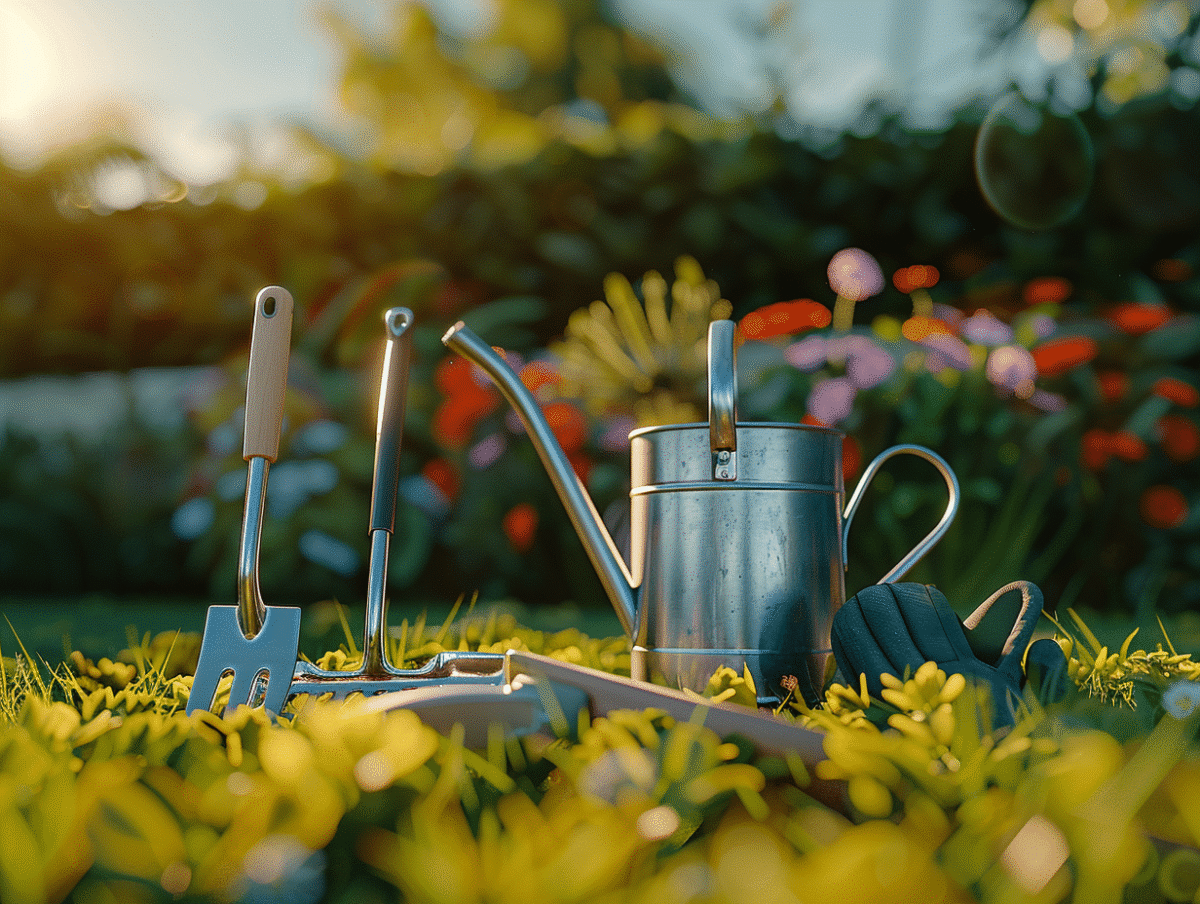
Gardeners, whether amateur or experienced, are constantly on the lookout for the ideal equipment to maintain their green space. An impeccable garden requires a careful selection of tools suited to the size of the area, the diversity of plants, and the various tasks to be performed. From eco-friendly mowers to ergonomic pruners, each choice has a direct impact on the health of the garden and the physical effort of the gardener. With the bustling market of options, it is essential to know the decisive criteria that will guide you to the best equipment for effective and enjoyable maintenance.
Assessing Needs and Choosing the Right Tools
The maintenance of a garden revolves around several axes requiring specific equipment. For a **lawn** that shines, a range of **gardening tools** is necessary. These are used to ensure mowing, aeration, and watering, essential steps to keep a green space healthy. Mowing, in particular, is a recurring action that conditions the aesthetic appearance and density of the grass. Choose a **lawn mower** suitable for the size of your lawn and the terrain configurations.
Regarding watering, it is necessary for the survival and vitality of the lawn, especially during summer droughts. Opt for irrigation systems that ensure uniform coverage and rational water use. As for aeration, it promotes better penetration of water and essential nutrients for grass growth. Equip yourself with tools that effectively perforate the soil, such as lawn aerators or scarifiers.
For other aspects of gardening, such as pruning plants, **equipping yourself to regularly trim your hedges** involves acquiring a high-performance hedge trimmer, suitable for the length and density of your hedges. Additionally, the use of appropriate fertilizers should be considered to promote the growth and robustness of plants. Take into account the soil composition and the specifics of your garden to select the most suitable products.
Selection Criteria for Quality Equipment
**Durability** and **efficiency** are the key words when you are about to invest in gardening equipment. Poor quality tools can not only compromise your maintenance efforts but also require frequent replacements, leading to additional costs. Consider the manufacturing materials: a **fiberglass handle** offers increased resistance and better longevity compared to wooden ones. For cutting tools, such as hedge trimmers, the quality of the blade steel is crucial to ensure precise cuts and maintain the aesthetics of your hedges.
Also examine the **ergonomics** of the tools, an essential criterion to minimize fatigue and avoid injuries. Comfortable handles and a well-thought-out design can make a significant difference during prolonged use. A good gardening tool should be adapted to the size and strength of the user, allowing for optimized and safe use.
Do not neglect **tool maintenance**. Regular maintenance not only ensures their proper functioning but also extends their lifespan. Choose tools with easily removable and cleanable components, and follow the manufacturers’ recommendations for their upkeep. Attention to these points will save you recurring expenses and ensure a well-kept garden with reliable and efficient equipment.
Maintenance and Storage of Equipment for Maximum Durability
At the heart of the longevity of gardening tools, regular maintenance is essential. Tools intended for **lawn maintenance**, such as mowers, shears, or rakes, require special attention. After each use, clean the blades and tines of these instruments to remove soil and plant debris, thus avoiding corrosion and premature wear. Lubricate moving parts to preserve their mobility and efficiency. Periodic sharpening of the blades ensures clean and precise cuts, essential for the health of your lawn.
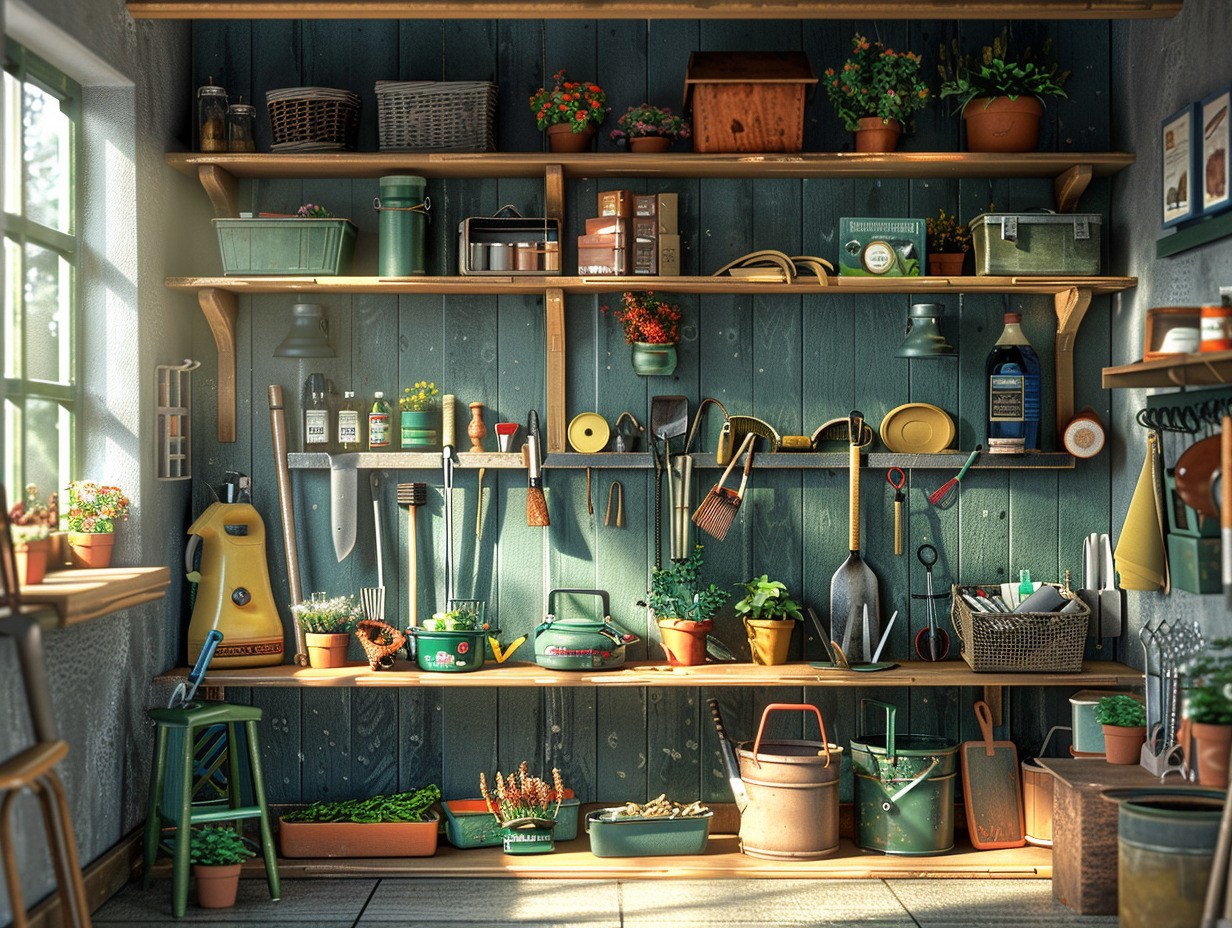
**Proper storage** of gardening tools also contributes to their preservation. Prefer a dry place sheltered from the elements to avoid exposure to moisture and temperature fluctuations that can alter the structure and functionality of the tools. Wall or elevated storage not only preserves floor space but also avoids prolonged contact with water that can accumulate in less insulated areas.
The **search for innovative solutions** for maintaining green spaces should never stop. Multifunctional and modular tools, easy to disassemble and maintain, can be wise for gardeners looking to optimize their practices. **Versatility** and **modularity** facilitate easier management and less time-consuming maintenance, significant advantages for those aspiring to a flawless garden with always operational equipment.